
Tile has become an extremely popular choice for bathrooms, kitchens,...
What Size Tile Should You Use? Your Tile Sizing Guide.
Tile has become an extremely popular choice for bathrooms, kitchens, laundry rooms, and many more spaces throughout the home. In recent years, tile manufacturers have responded to this demand, creating a wide variety of styles, sizes, and shapes that can work well in any room.

This means more options than ever before, but it also means that selecting the correct size for your space can feel a bit overwhelming at times. In this article, we’ll walk through the basics of sizing that you should consider as you narrow down the selection for your next tiling project!
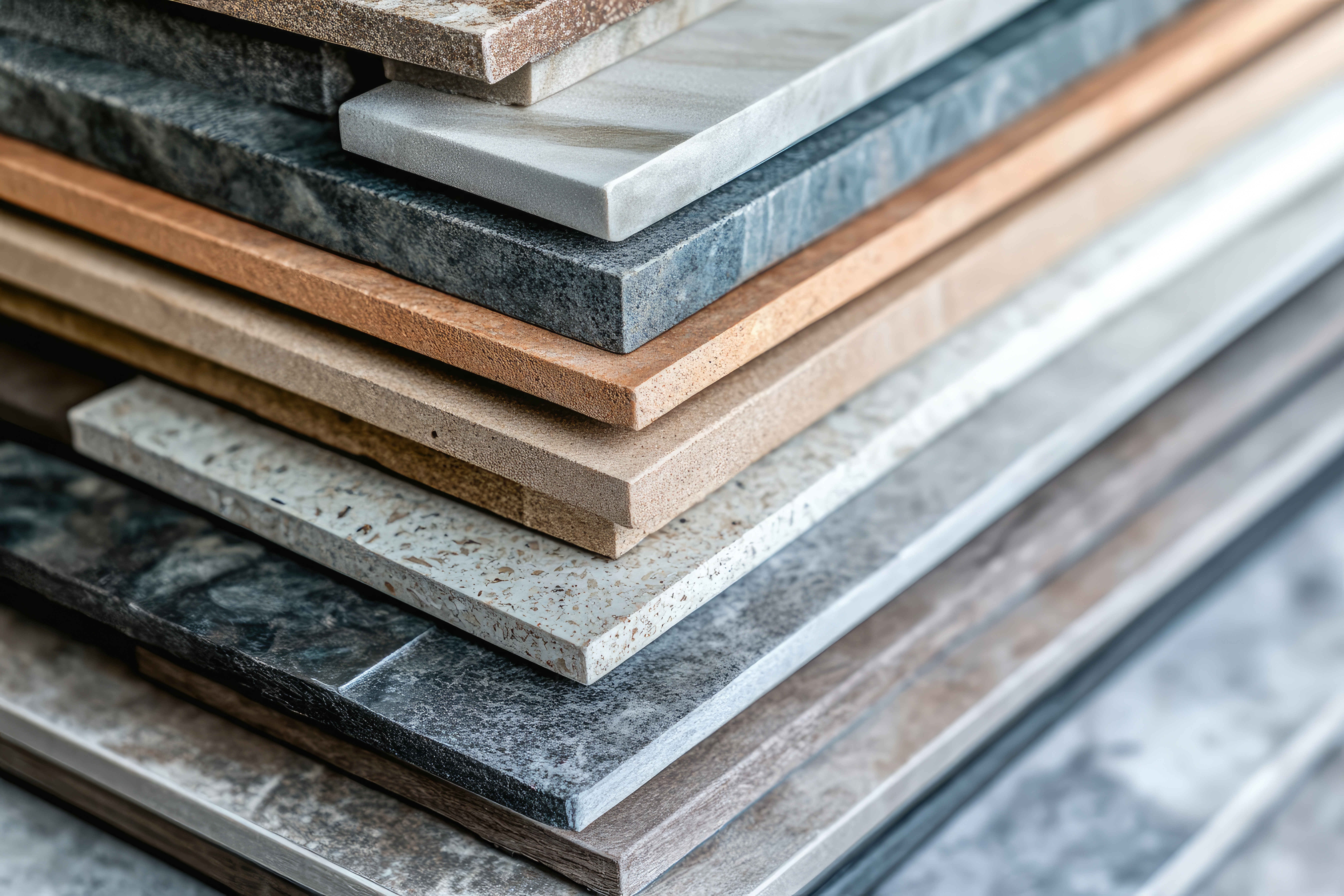
First, let’s clarify what we mean when we talk about sizes. Tiles come in a wide variety of sizes, ranging from small mosaics to extra-large formats. Here’s a quick look at the different categories available:
- Small tiles: Up to approximately 8 x 8 inches
- Medium tiles: Approximately 8 x 8 inches up to 24 x 16 inches
- Large tiles: Approximately 24 x 24 inches up to 36 x 18 inches
- Extra-large tiles: Approximately 30 x 30 inches and upwards
At its most fundamental level, choosing the right size tile for your project depends on the size of your room, the style you’re going for, and the level of maintenance required to keep up the space.
Consider the Space
The simplest approach to choosing the right size tile is to choose a tile relative to the size of your space. From a design standpoint, the goal is for everything in the room to look balanced and for all the elements to exist in proportion to one another. The wrong size tile might create awkward cuts and generate a high amount of waste during installation. When measuring, you’ll want to consider any cabinets and countertops you’ll need to install and cut around, as well as any tricky corners or standalone kitchen islands.
Large tiles can make a small room feel bigger, but going too big with it may overwhelm a small space. On the other hand, a small tile allows for more interesting patterns, but can be distracting when stretched over a large area. In general, it’s best practice to keep small with small and large with large, adhering to a relatively similar area-to-tile-size ratio.
Design Style
Different tile sizes directly impact the overall aesthetics of a space, and the choices here can either enhance the look and feel you were going for or diminish your intention. Large format tiles, for example, offer a seamless, modern surface, while small tiles allow for more creativity with patterns and colors. Large tiles are often one color, creating opportunities to mimic solid textures like marble or wood. This can result in a sleek, expansive appearance over an open floor plan, for instance. On the other hand, small tiles can add a distinct sense of charm and unique personality to a space with their intricate designs and playful patterns.
If you’re going for a contemporary or minimalist design, then a large tile may be perfect. Or if you prefer something like a country cottage or traditional-style project, then you might go with a smaller tile and use a specific grout color to complement the design.
In addition to size, material and light are important design elements to think about as you make your selection. For example, a gloss finish will make a darker area look bigger as it reflects the available light across the room.
Maintenance & Cleanup
In terms of functionality, different sizes mean different levels of maintenance and care. Large tiles require less maintenance as they have fewer grout lines — and in some cases no grout lines — to clean. Conversely, smaller tiles have more grout lines, which may require more rigorous upkeep.
If you’re interested in the few-to-no-grout-lines style, we recommend exploring large format tiles. Simple, sleek and bold, large format tiles have grown in popularity in recent years, thanks in part to their minimal grout lines.
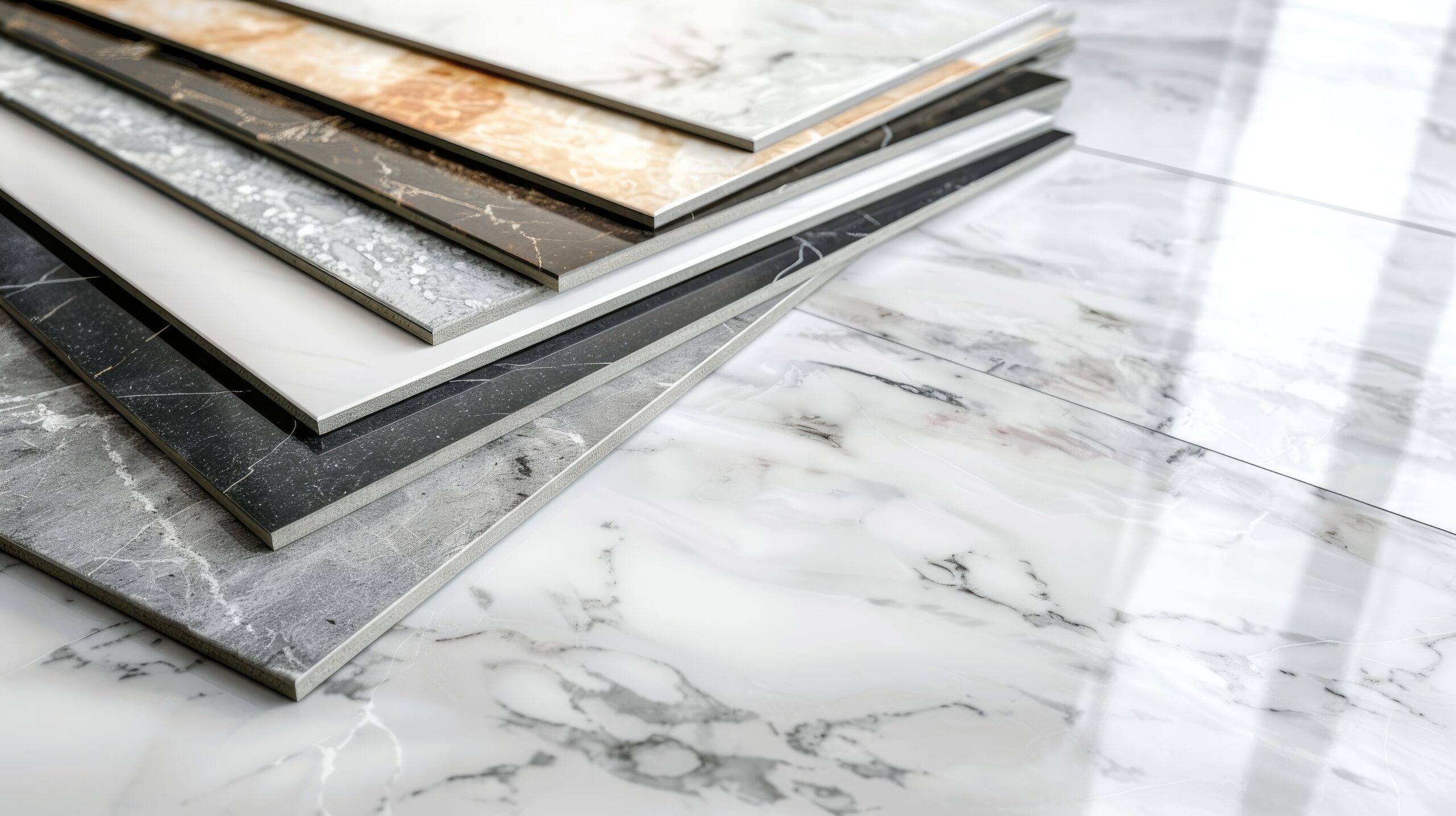
As you can see from just a few of the factors we’ve reviewed, selecting the right tile size is essential for achieving your desired design and functionality goals. Before you jump into purchasing tile, we highly recommend taking the time to consider the size of the room, reflect and plan out your design preferences, as well as weigh the importance of maintenance requirements when making your decision. Choosing the right tile size is the first step in transforming any area of your home or office into a space you love.