
Keeping your floors clean on a regular basis is part...
How to Make Your Floors Last for Decades
Keeping your floors clean on a regular basis is part of good housekeeping. Of course we all want to keep our spaces free from dust and dirt and clean up spills when they happen to avoid staining. While this can be a fairly straightforward process, you will want to make sure that you’re striking a balance between cleaning thoroughly and harming your floor permanently due to using the wrong chemicals, if you want to keep them intact, valuable and safe for decades to come.
So what should you do to keep your floors in tip-top shape for the long haul? Not all floors are created equal, but there are many overarching best practices to take care of them. We’ll review a few ways to get the most longevity out of some of the most common floor types and how best to treat them so that they will look their best for years to come.
Keep it Simple

While we do recommend checking labels for more sensitive floors, most of the time the main rule of thumb: when in doubt, don’t use chemicals. For example, with laminate floors, you want to start by going over the surface with a vacuum (turn off beater brush) or give the floor a clean wipe with a Swiffer. It is recommended to use a cleaner specifically for LVP such as Bona Hard Surface Floor Cleaner.
Always Sweep First
For almost every floor type, you want to start by giving the entire surface a quick sweep or vacuum (turn off beater brush), following up with a semi-damp wiping or mopping. If you have any particularly bad scratches on things like vinyl, you can gently rub them with a cloth dipped in dishwashing soap or a very small amount of white spirit before thoroughly rinsing off and wiping clean.
Avoid Sitting Water
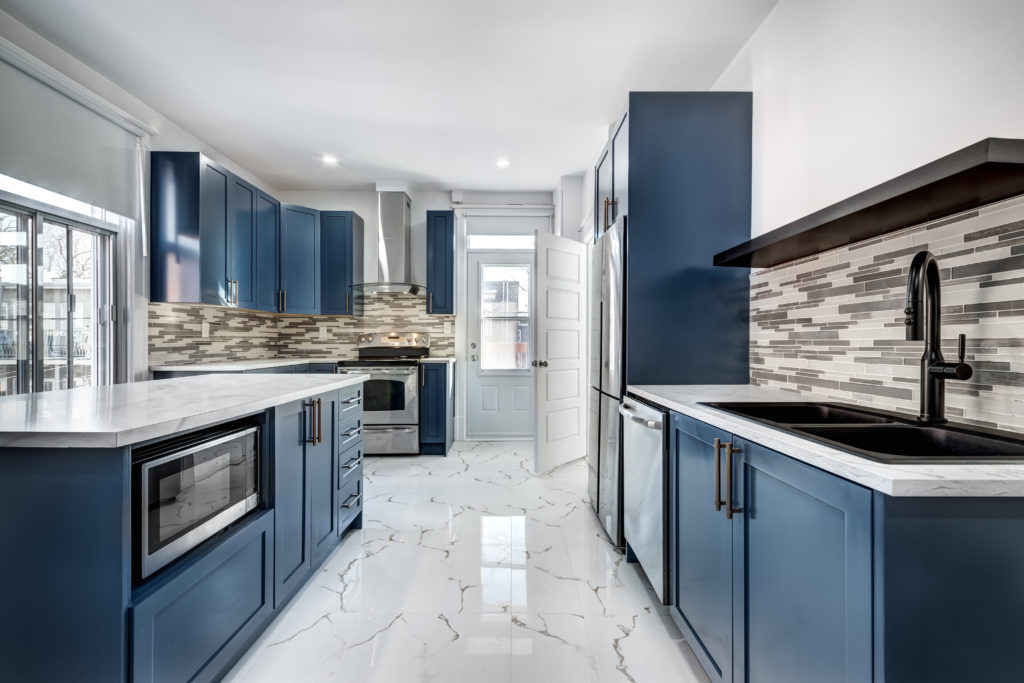
Another best practice to follow is to avoid letting water — or any liquid for that matter— pool on a floor’s surface for too long. For instance, things like natural stone, which can be fairly porous, should be treated carefully since they are prone to absorbing liquids and leaving behind stains. When stone floors are installed, they should be sealed, so you shouldn’t have to worry too much about permanent damage. For regular maintenance, you should always sweep away any food or debris first before mopping, then wipe the entire floor down fairly soon afterward to avoid moisture collecting on the surface.
Sealed Doesn’t Mean Invincible
Most floors are sealed with either polyurethane or wax, which will protect them from most liquid or moisture damage. However, you should still be careful with using abrasive cleaning techniques (hard scrubbing, chemicals, etc.) for the more sensitive floors, such as wood. Always read the labels and do a quick online search, if you’re ever in doubt.

Out of all the floor types, hardwood floors can be particularly challenging to keep clean, as they require regular delicate maintenance. If you get a lot of foot traffic in your house, we recommend cleaning these areas once a week with a dust mop, vacuum (turn off beater brush) or broom. For deeper cleaning, use a cleaner specifically for wood floors such as Bona Hardwood Floor Cleaner. Again, although wood floors should be sealed, you never want to use a soaking wet mop or leave standing water on the surface, as it could cause your floors to swell.
Obviously, there are special cases and exceptions when it comes to cleaning your floor, depending on the material. There’s no one-size-fits-all method, and you never want to assume that every product works on every floor. We recommend reading the labels on your cleaning products before using them and researching online to ensure you won’t be doing irreparable damage.
Also — don’t wait too long to clean your floor! The key to a long-lasting, squeaky clean floor is regular maintenance. Don’t let water sit on your floors or stains go unnoticed for months. A quick sweep and mop weekly will do wonders for your floor and your peace of mind.