
Although these two types of tile have many similarities, there...
Ceramic vs. Porcelain: What’s the Difference?
Although these two types of tile have many similarities, there are quite a bit of differences to consider when deciding which type to install in your home. For many people, the two are almost identical, and the differences can be tough to spot, but understanding the subtleties in their composition, appearance and durability can make all the difference.
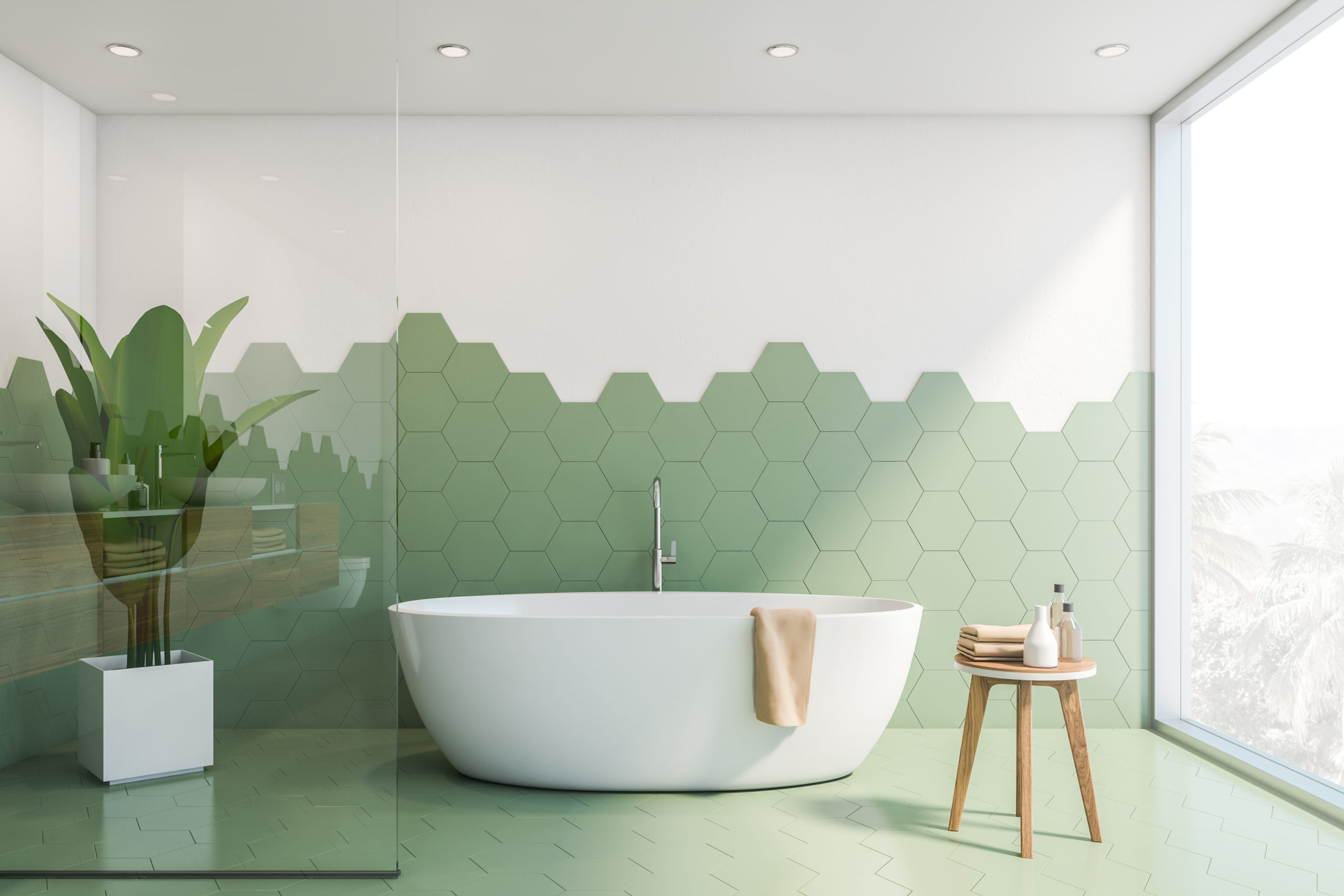
Both of these flooring types fall under the tile category, and traditionally they have been referred to in general as “ceramics.” This can be very confusing, but it’s worth discussing how each of these materials are made. Both ceramic and porcelain are mixed using a combination of clays, and are heated to extreme temperatures in order to create the smooth hardened surfaces that we see in many settings, colors and sizes.
Water Absorption
The first major difference is how porous they are — or how much water they absorb. While both ceramic and porcelain are glazed, to be classified as porcelain it must absorb less than half of 1% of their body weight. Porcelain is a very dense material and achieves this density by using a finer clay mixture and heated at much higher temperatures.
Ceramic tile, on the other hand, uses basic clay mixtures, and is heated at slightly lower temperatures, causing it to be slightly more porous. However, it’s worth noting that the difference between ceramic and porcelain is nearly imperceptible to the naked eye.
Indoor vs. Outdoor
As we’ve covered, porcelain is denser, which makes it ideal for handling temperature changes, including freeze thaw environments. Ceramic tile is less resistant to continual freeze thaw environments because of its tendency to absorb moisture. If you’re looking for something that can work anywhere, porcelain is your best bet.
Resilience & Maintenance
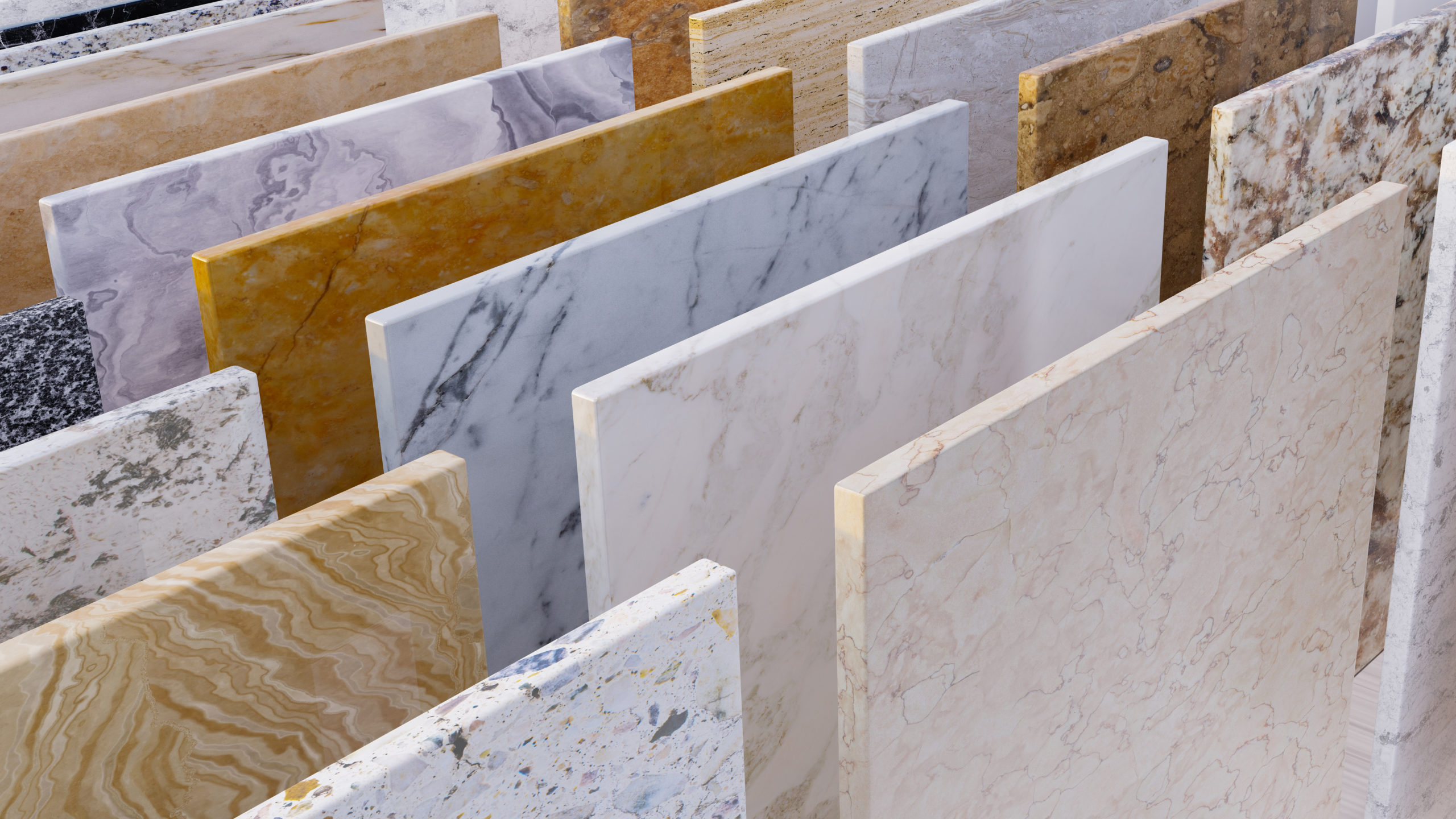
Both ceramic and porcelain have the ability of being lifetime floors, the density of porcelain makes it a go-to choice for long-term durability. Ceramic tile, on the other hand, will show a different color beneath if chipped. Both ceramic and porcelain should be cleaned the same way, however. Because they are typically glazed, the only real cleaning required is warm water and a mop.
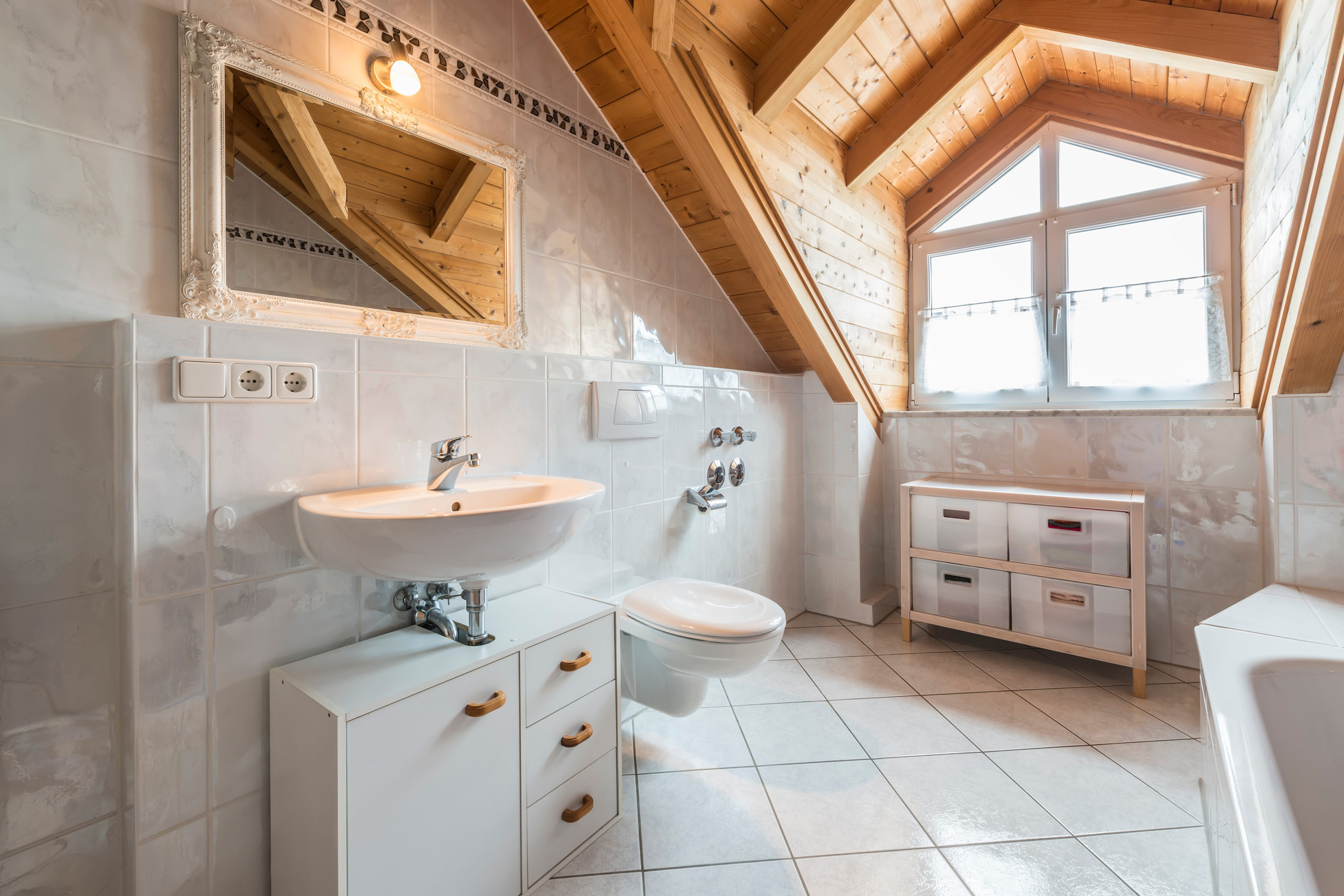
In the end, which floor you choose will come down to your personal taste and style. As you can see, porcelain offers many excellent advantages over ceramic tile. Both ceramic and porcelain tile is a sturdy, beautiful, versatile material that can transform a space from ordinary to breathtaking.
There are tons of excellent styles and textures and colors to choose from for your next flooring project. Don’t be afraid to experiment and try samples before you purchase your next floor. The results might surprise you!