
There are many wonderful aspects about historic homes — iconic...
Updating Floors in an Historic Home? Here’s What You Need to Know.
There are many wonderful aspects about historic homes — iconic architectural styles of the past, unique stories from previous owners, distinct charm and character found in the details. Whether you’re a longtime owner of a historic home or are in the market for one, undergoing the renovation process is a challenging, yet rewarding experience for many homeowners.

When it comes to floor replacement, it’s important to think carefully and plan thoroughly in order to maintain the integrity and value of your property. In this article, we review some of the major aspects of historical home floor renovations to keep in mind as you navigate the process.
Check Restrictions
A home is considered “historic” if it’s more than 50 years old and meets the architectural requirements of the National Register of Historic Places. You’ll want to start by researching any limitations or requirements set by your local city or neighborhood regulations as well as relevant historical preservation societies. Having a clear idea of what changes are allowed will help shape your renovation plans and avoid possible repercussions.
Prioritize Functionality
Oftentimes, you won’t have the ability, the time or the means to alter everything about your historic home. Take time to assess the state of your floors and prioritize your renovation based on fundamental, functional needs. For example, addressing things like structural issues and water damage should take precedence over cosmetic enhancements. Function and flow first. Style and aesthetics second.
Make A Plan
Before jumping in and ripping up the floor, consider how you’d like to use the existing space. Start by mapping out a plan for the to-be-renovated area and nail down your design style. Are you going for a classic charm or would you prefer to add a bit of modern elegance to the space? Either way, you want to have thought this through, all while making sure your selections are in tune with the historical context of your home.
Inspect the Subfloor
After you remove the old flooring, hold off on installing your new one until you’ve thoroughly inspected the subfloor for any signs of damage or decay. Subfloors are typically made out of plywood, wood, stone, or concrete, and you should consider repairing or replacing a damaged one so that you have a strong foundation for your new floors.
Material Matters
When it’s time to purchase materials, don’t go cheap if you can avoid it. You have a beautiful old home. The last thing you want to do is take away from its original style with low-quality finishes and styles. For the sake of the house, it’s often wiser to renovate less space with better materials than it is to do more work with cheap materials. You’ll sacrifice on quality, and will probably be forced to update everything sooner than you’d planned.
Many materials used in the original construction of older homes — such as wood, brick and stone — are energy-efficient and high-quality by default. Try to stay as close as you can to the original home’s intention and roots. It’s worth it!
Best Flooring Options for Historic Homes
So, which floors are ideal for historic homes? While you have endless options to choose from, there are several types that work best for older buildings. You may want to think about the floor’s style, durability, cost and authenticity to the surrounding architecture. Here are a few of the floors we recommend for historic homes:
Hardwood Floors
Classic and stylish, hardwood floors are a staple of historic homes, and one of the most widely used in renovations. When maintained properly, hardwood is extremely durable and has great longevity, lasting for decades after installation. Moreover, natural wood elevates almost any space, creating a higher resale value in the long term.
Luxury Vinyl Tile (LVT)
If you’re attempting to replicate the look of tile floors popular in the early 1900s, LVT flooring is a great choice. In addition to its high marks for durability and versatility, it comes in a wide range of waterproof options for moisture-prone areas like kitchens and bathrooms.
Laminate
Finally, as a budget-friendly alternative to these other styles, laminate flooring is a tasteful choice for renovation. There are countless styles to choose from in the laminate category, many of which mimic the natural look of wood or stone. Simple to install and easy to maintain, laminate is ideal for high-traffic areas or rooms where moisture isn’t an issue.
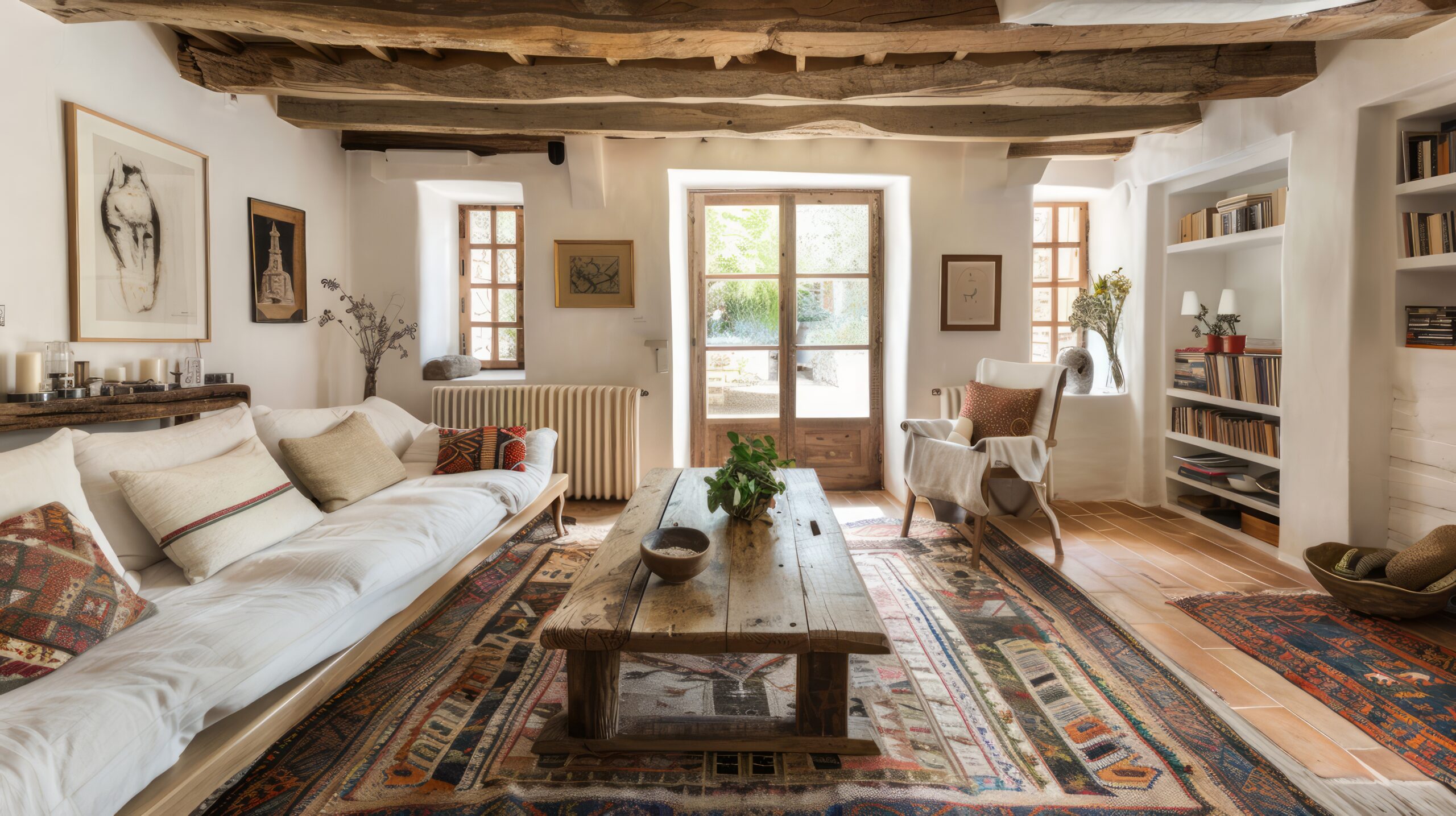
Renovating floors in a historic home is a delicate balance between preservation and modernization. Of course, there are many ways and schools of thought when it comes to selecting and installing new floors in these gorgeous older homes. It’s almost always best to hire a professional contractor or installer when dealing with historically sensitive structures and materials, but in the end, the choice is yours.
Every renovation is an opportunity to breathe new life into old worlds, keeping its character and charm alive for generations to come. We hope that by following these guidelines and doing your own research, you’re able to add to the beauty and functionality of your home, while embracing and respecting its rich heritage.