
Replacing a floor can seem like a daunting task, especially...
5 Signs Your Floor Needs an Update
Replacing a floor can seem like a daunting task, especially if you’re a new homeowner or going through a significant renovation. However, it’s important to consider the long-term effects of an old or damaged floor, particularly in terms of resale value and future home buyer appeal.
So, how do you know if it’s time to replace your floor? Let’s take a look at the most common issues associated with floor wear and tear, and how you can spot the signs of a floor in need.
Cracks and Tears
As you can imagine, cracks are the most visible signs of a floor that needs replacement. These are most prevalent in areas with significant foot traffic, such as stairs, hallways, dens and kitchens. Unfortunately, this means your floor is starting to wear down and is losing its structural integrity.
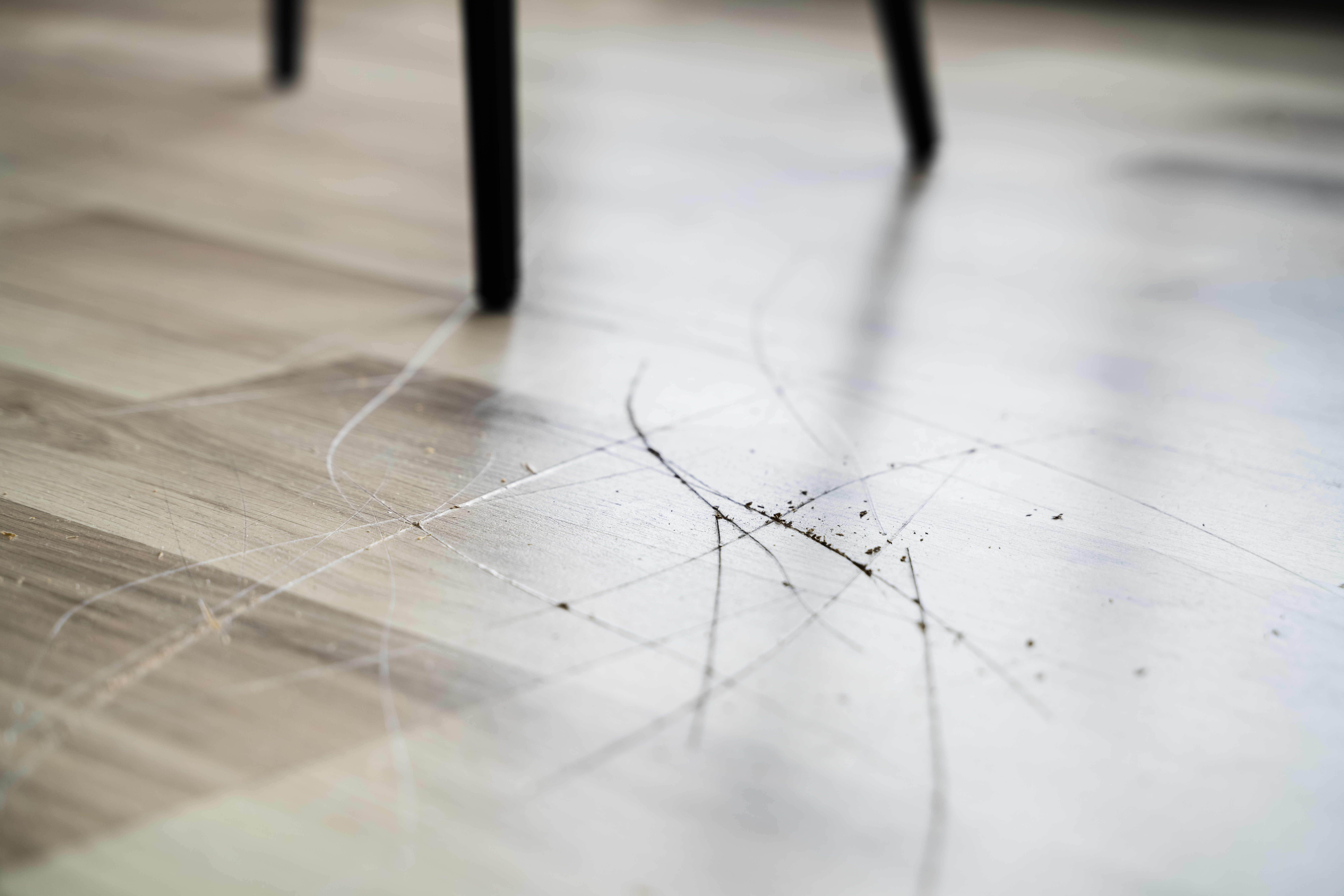
This issue is not simply cosmetic, however — cracks can become a much more serious threat to your home, leading to holes in the floor or creating worn down areas that could buckle under pressure. A crack should be addressed sooner rather than later, as odds are it will only become worse over time. In addition to becoming a potential tripping hazard or causing water damage, cracks are also an ideal breeding location for insects.
Creaking Sounds
If you’re hearing strange noises coming from your floor or are tip-toeing around your house to avoid creaks, it may be time to consider replacement. Creaking sounds are a symptom of rotting or aged materials, which will likely only get worse over time if not addressed properly. A strange creaking noise is a sign that your subfloor may need to be examined, which means you have to remove the flooring.
Hardwood floors make odd sounds as they age because the material expands and contracts depending on your home’s temperature and moisture levels. Another issue associated with creaking is incorrectly installed floor, meaning glue, staples or nails aren’t tight enough. Either way, a creaking sound means it’s time to look at your options.
Discoloring
Your floor’s (LVP and wood) coloring will fade over time, and that’s perfectly okay — aging material is natural, and is part of your floor’s lifecycle. This discoloration can be caused by a number of things, including stains, regular foot traffic and chemicals in cleaning products. For instance, some types of flooring can begin to fade as a result of years of light exposure from the sun. This isn’t due to anything you can help or control, and is simply a fact of homeownership.
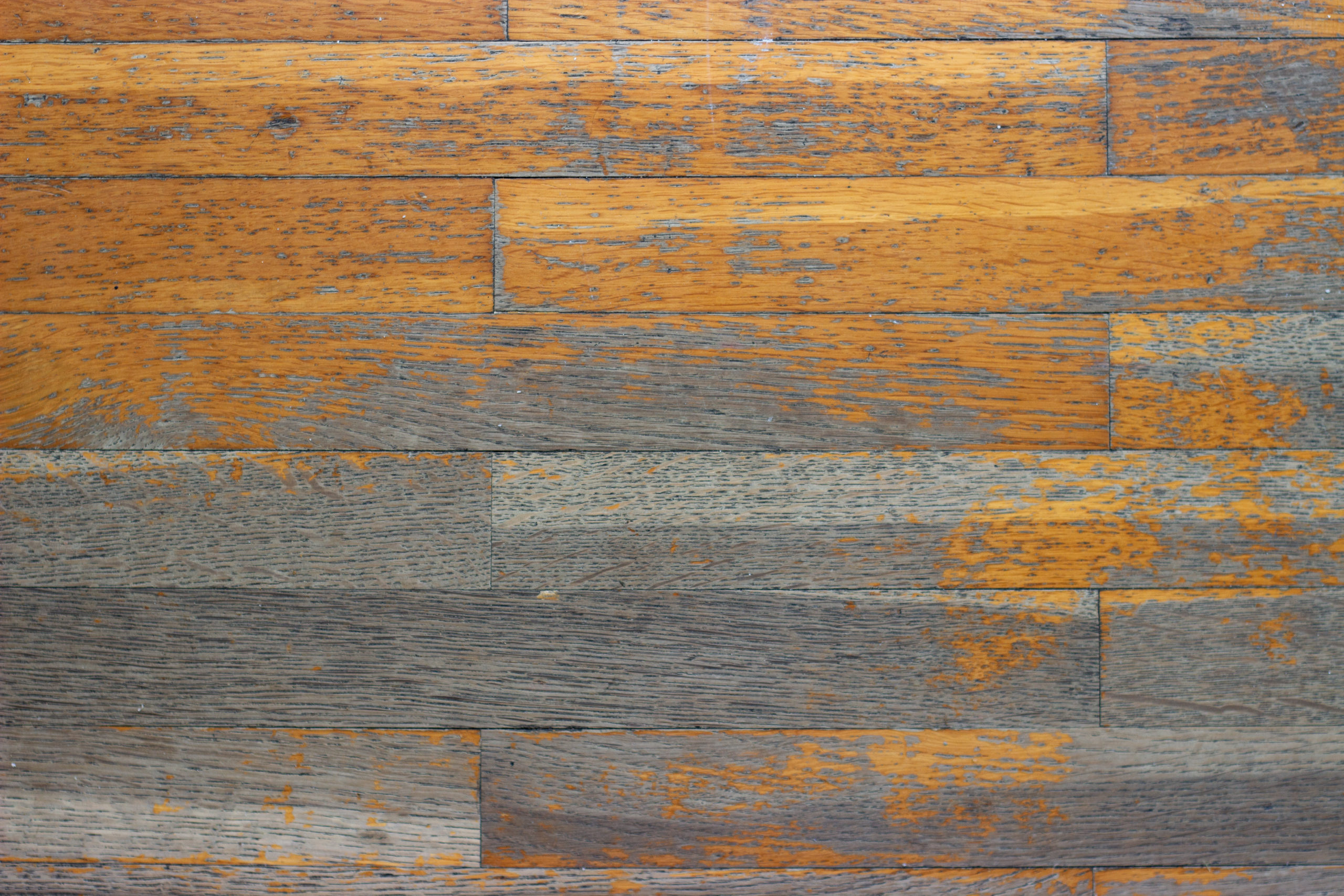
The ugly truth is that a faded floor can cause your home to feel older than it actually is or make it look dirty, even if that’s not the case. Fresh floors will give your house a massive facelift and protect your investment for years to come.
Outdated Style
If you’ve moved into an older house, chances are you are dealing with outdated floors. In addition to making your home feel unattractive, it can also be a major con for a potential buyer down the road.
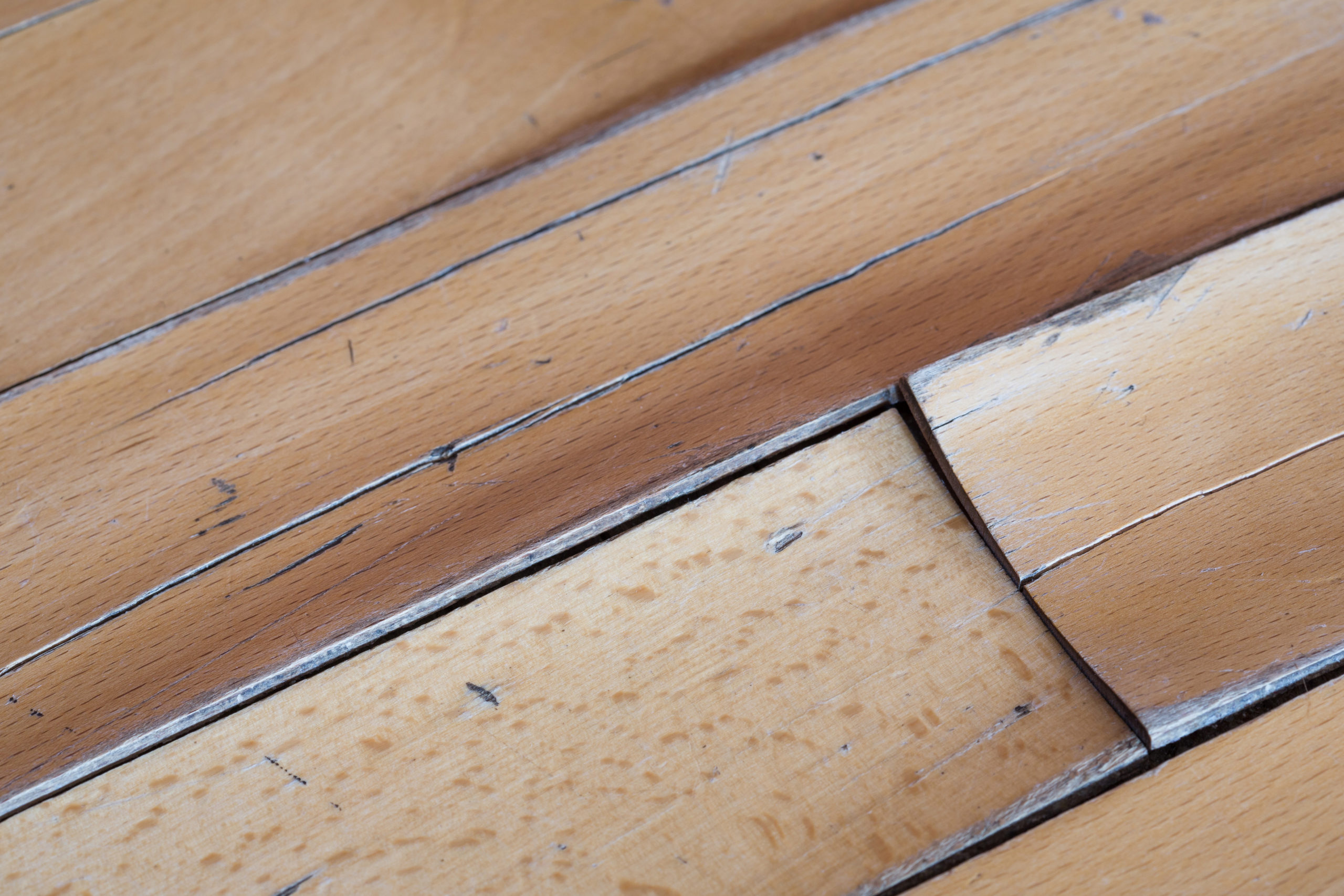
Taking the time and making the investment in a new floor will not only add value and curb appeal to your home, it will help make your space more livable for you and your family. Appearances matter more than you think, even for day-to-day living. Make sure you love the floor you have — you’ll be living with it for a long time.
Whether you’ve lived in your home for decades or you’re moving into a fixer-upper, odds are you’ll need to replace your floors at some point. Just as you would check the non-negotiables in your home — structural, electrical and otherwise — it’s critical to keep an eye on the condition of your floors and watch out for the signs we’ve discussed here. Yes, the entire process may be a hassle in the short-term, but the attention to detail today will save you many headaches and repair bills many years from now.